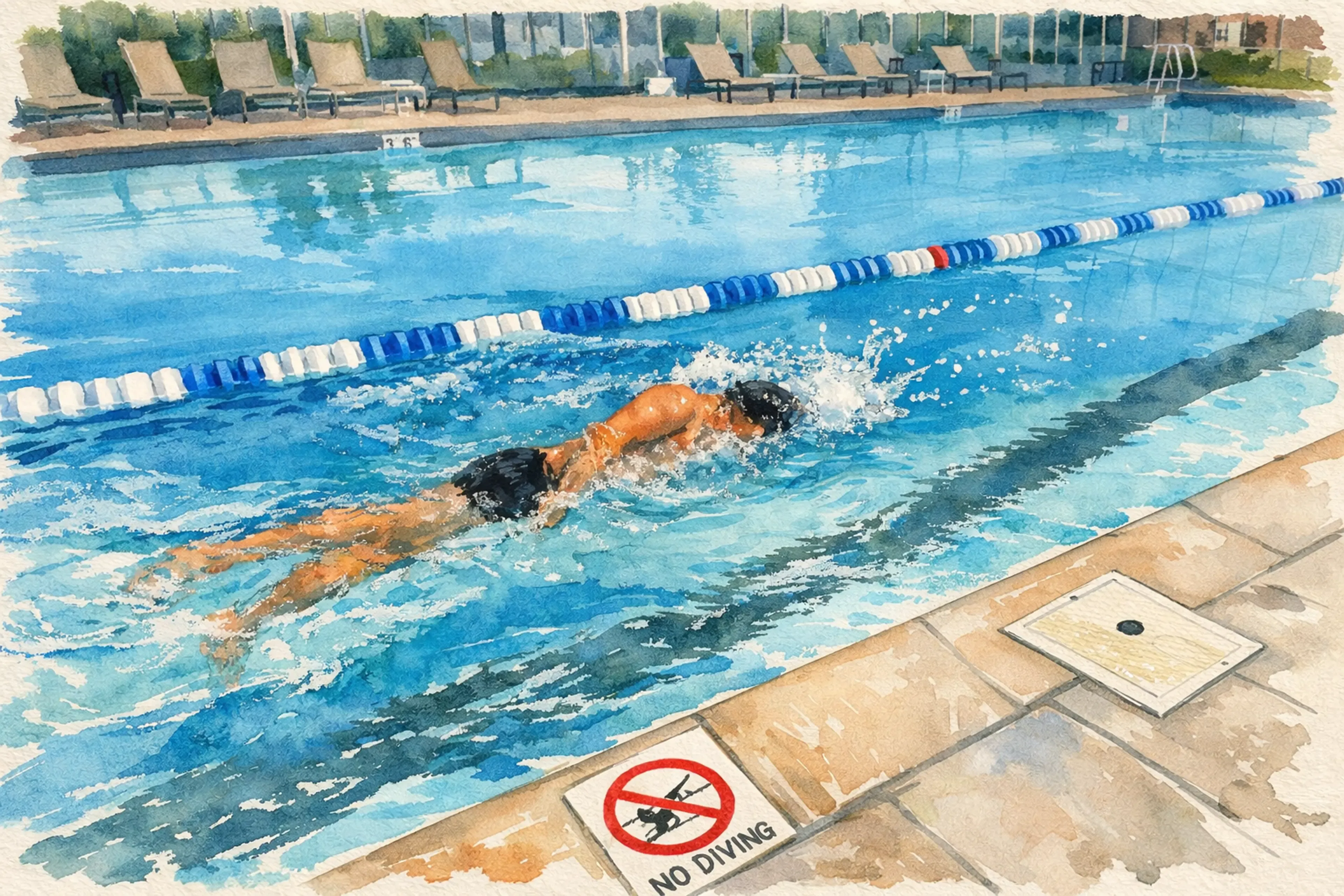
Standing at the edge of the pool a year ago, I watched kids half my age glide through the water with effortless grace. Meanwhile, I couldn't swim a single lap without panicking.
Like many adults who never learned to swim as children, I felt embarrassed. Swimming seemed like one of those skills you either learned young or not at all. The thought of joining a beginner class—potentially alongside elementary school kids—felt daunting.
But here's what I learned: it's never too late. Today, I swim 1000 yards three times a week with confidence. The journey from terrified beginner to comfortable swimmer took dedication, but it was absolutely achievable.
This isn't a motivational pep talk or a vague "just keep trying" post. It's a detailed field guide for adults who want to learn swimming—what worked, what didn't, what gear matters, and how to structure your learning journey.
The Minimalist's Swim Gear Guide
Walk into any swim shop and you'll be overwhelmed by gadgets, tools, and accessories. After a year of trial and error, I learned that less is more—especially for beginners.
Essential Gear (Buy These First)
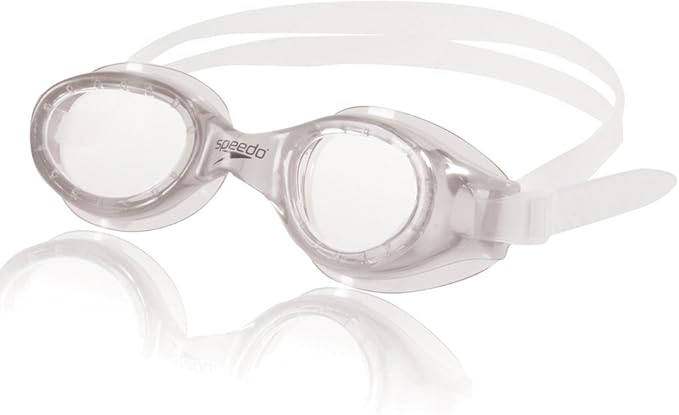
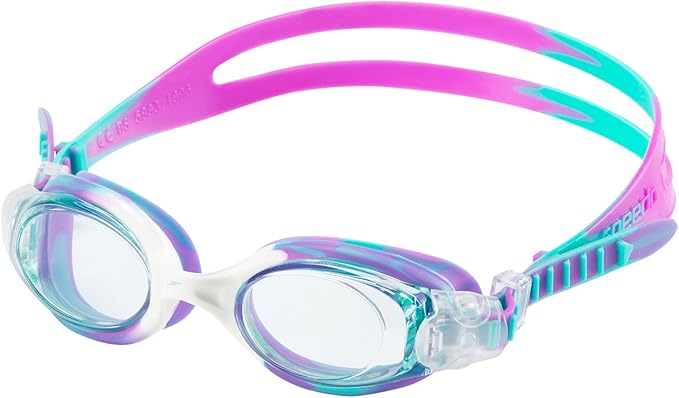
Swim Goggles - Non-negotiable
- Invest in quality goggles that fit well and don't leak
- Test the fit: press them against your face without the strap—they should suction for a few seconds
- I recommend: Speedo Unisex-Adult Swim Goggles Hydrospex Classic Clear and White Cloud
- Why: Comfort and visibility underwater are essential for confidence
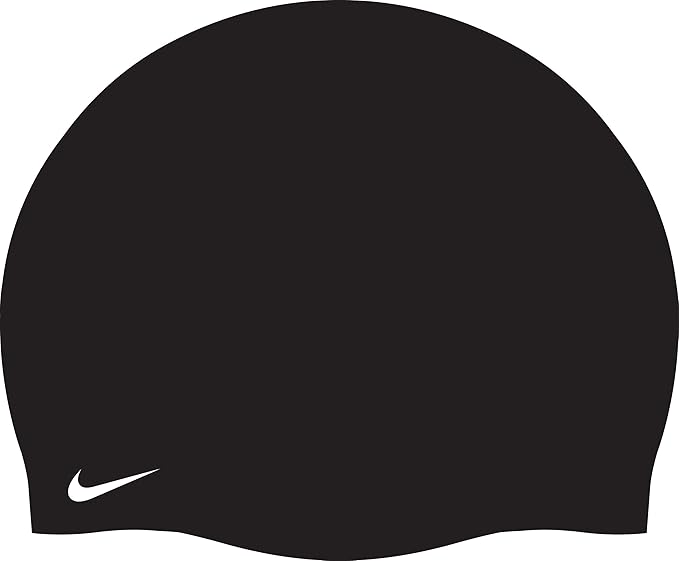
Swim Cap - Highly recommended
- Keeps hair out of your face and reduces drag
- Silicone caps last longer than latex
- Why: Feeling streamlined helps you focus on technique, not distractions
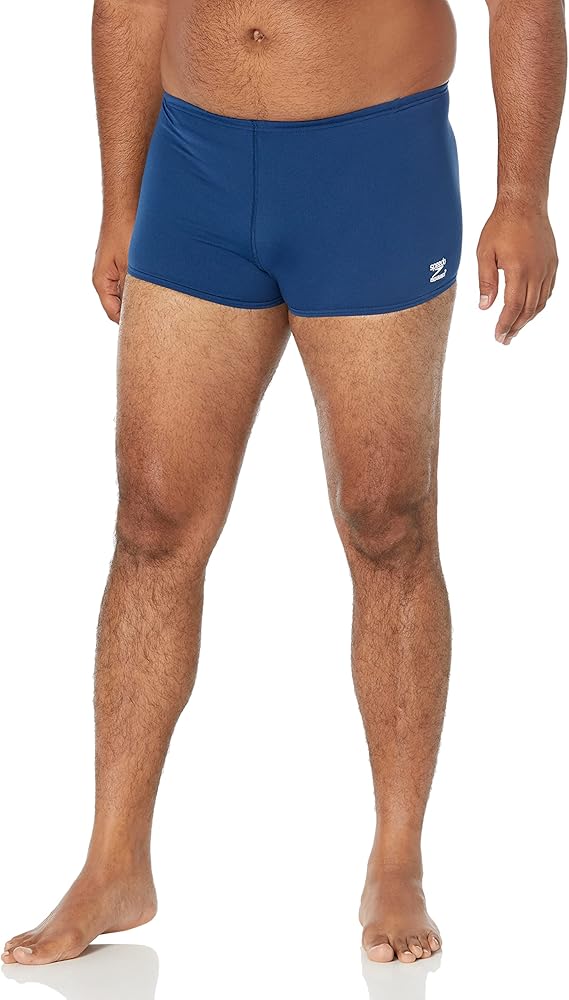
Proper Swimsuit/Trunks - Obviously essential
- Men: Board shorts create too much drag; get proper swim trunks or jammers
- Why: Comfort and reduced drag make everything easier
Ear Plugs - Small investment, big payoff
- Prevents swimmer's ear and the uncomfortable water-logged feeling
- Why: Ear infections are miserable and completely preventable
Fitness Watch (Apple Watch/Garmin) - Optional but valuable
- Tracks distance, pace, and heart rate
- Motivates you by showing tangible progress
- Why: Data helps you see improvement when it feels like you're plateauing
Helpful for Later (Not Necessary at First)
Underwater Camera or Above Water Filming - Game-changer for improvement
- Video yourself to identify technique issues
- What you think you're doing vs. what you're actually doing is often very different
- When to buy: Once you're comfortable with basic strokes
Pull Buoy (for beginners)
- Provides artificial buoyancy your body should naturally develop
- Prevents you from learning proper balance
- When it's okay: Once you have solid technique and want to isolate arm work
Skip These (Common Beginner Traps)
❌ Swim Fins - For intermediate swimmers
- Great for building ankle flexibility and leg strength
- Helps you feel proper body position
- When to buy: After 3+ months of consistent swimming
❌ Nose Clip
- Delays learning proper breathing technique
- Creates dependency you'll need to unlearn later
- Better alternative: Learn to exhale through your nose underwater
❌ Snorkel (for beginners)
- Masks timing and breathing rhythm problems
- Useful for advanced drills, but counterproductive early on
- When it's okay: After you're confident with all four strokes
❌ Kickboard
- Can create bad body position habits
- Disconnects your upper and lower body movements
- Better alternative: Practice full-body swimming from the start
Total Startup Cost: You can get fully equipped for $50-100. Don't let gear anxiety delay your start.
My Three-Stage Learning Journey
Stage 1: Building Water Confidence (Months 1-3)
The Setup
- Where: Chicago Blue Dolphin Swim School with instructor Wil Williams
- Format: Private lessons, 1x per week, 25 minutes each, + 2x per week independent practice (20-30 minutes)
- Pool: Endless/infinite pool (smaller, less intimidating than lap pools)
What I Learned
- Week 1-4: Floating on back and front, basic breath control
- Week 5-8: Elementary backstroke, basic freestyle movements
- Week 9-12: Flutter kicks, basic breaststroke, coordinating breathing
The Game-Changer: Video Feedback
My instructor Wil showed me and her swim during lessons with delayed video feedback (10-20 seconds delay). This was transformative. What I thought I was doing (smooth, graceful strokes) versus what I was actually doing (flailing with poor form) were completely different.
Seeing yourself objectively accelerates learning by months.
With her instruction and video feedback, I gradually built comfort in the water. The first sessions was 50 minutes, but I had a lot of difficulty staying relaxed. I have to adjust the lesson length to 25 minutes, which was more manageable. For each lesson, I would only focus on 1-2 skills to avoid overload. Then practice 2-3 times a week on my own for 20-30 minutes to reinforce what I learned in Chicago Park District pools. Chicago lap swimming membership is affordable and convenient ($42 every 3 months).
The Mental Shift
This stage wasn't about swimming well—it was about trust:
- Trusting the water to hold you (you ARE buoyant)
- Trusting your body to find balance
- Trusting that progress happens in tiny increments
Key Milestone: By month 3, I could swim 50 yards of shaky freestyle without stopping. It wasn't pretty, but it was progress.
Stage 2: Exploring All Four Strokes (Months 4-6)
The Setup
- Where: UIC (University of Illinois Chicago) group lessons
- Format: Group lessons, 1x per week, 60 minutes each, + 2x per week independent practice (30 minutes)
- Class size: 7-8 adults of varying abilities
- Cost: ~$160 for 5-week session (much cheaper than private)
What I Learned
- Freestyle: Improved breathing rhythm and rotation
- Backstroke: Body position and arm recovery
- Breaststroke: Proper frog kick and timing
- Butterfly: Introduction (spoiler: it's hard)
The Benefits of Group Learning
Swimming with others provided unexpected advantages:
- Accountability: When others show up, you show up
- Perspective: Everyone struggles—some with breathing, others with kicks, others with coordination
- Pacing: Watching faster swimmers showed me what was possible; swimming with slower swimmers reminded me how far I'd come
- Social: Made friends with fellow adult learners; we'd encourage each other
The Lesson: Swimming isn't one skill—it's a language of movement. Each stroke teaches you something different about balance, rhythm, and efficiency.
Key Milestone: By month 6, I could complete 100 yards confidently with freestyle, shaky but improvement with backstroke, 25 yards good progress with breaststroke, half a lap with butterfly. Still slow, still tiring, but continuously swimming.
Stage 3: Refinement and Building Endurance (Months 7-12)
The Setup
- Where: Back to private coaching (different instructor, specializing in triathlon swimming)
- Format: 1x per week private lessons + 2x per week independent practice (30-40 minutes)
- Focus: Efficiency, not speed
What I Refined
Freestyle Breathing
- Problem: Lifting my head too high, creating drag
- Fix: Breathing into the bow wave created by my head
- Result: 30% less fatigue over distance
Body Position
- Problem: Hips sinking, creating resistance
- Fix: Engaging core, pressing chest down slightly
- Result: Felt like swimming downhill instead of uphill
Stroke Efficiency
- Problem: Too many strokes per lap, wasted energy
- Fix: Longer strokes, better glide, strategic breathing
- Result: Reduced strokes per 25 yards from 22 to 14
Building a Routine
By month 9, I established a sustainable practice schedule:
- Monday: 800 yards, focusing on technique
- Wednesday: 1000 yards, mixed strokes
- Friday: 900-1000 yards, easy pace recovery swim
The Mindset Shift: From "can I swim?" to "how can I swim better?" Moving from survival to optimization.
Key Milestone: Month 12 - Consistently swimming 1000 yards (40 laps in a 25-yard pool) three times per week, with better form and without exhaustion.
What Actually Works: Lessons Learned
After a year of experimenting, these principles consistently helped me improve:
1. Consistency Beats Intensity
What works: 3x per week for 30-45 minutes What doesn't: One 2-hour marathon session on weekends
Swimming is about muscle memory and technique. Frequent, shorter sessions reinforce good habits better than occasional long slogs.
2. Video Yourself
The uncomfortable truth: You probably don't look how you think you look.
Film yourself swimming (most pools allow this, or ask a friend). Watching the footage is humbling but invaluable. I discovered I was kicking asymmetrically, lifting my head too high, and crossing over my center line—all problems I couldn't feel but could immediately see.
3. Master One Stroke Before Moving On
For most adults: Start with freestyle and get really comfortable before branching out.
Freestyle builds the cardiovascular endurance you'll need for other strokes. It's also the most practical for open water swimming and triathlons.
4. Track Your Progress Religiously
Use a fitness watch or pool logbook to record:
- Distance swum
- Time taken
- How you felt (1-10 energy scale)
- What you worked on
Progress in swimming is gradual. Data shows you the trend when daily improvement feels invisible.
5. Invest in Private Lessons First
If budget allows: Start with 8-10 private lessons before joining group classes.
Private instruction fixes bad habits early. It's far harder to unlearn incorrect technique than to learn correctly from the start. Think of it as building a foundation—you don't want to build on cracks.
6. Focus on Efficiency, Not Speed
Swimming harder doesn't make you faster—swimming smarter does.
Count your strokes per lap. Fewer strokes = better efficiency. I went from 22 strokes per 25 yards to 16 strokes simply by improving my glide and body position. Same speed, 30% less effort.
7. Embrace the Plateau
Expect: Weeks where you feel like you're getting worse, not better.
This is normal. Your body and brain are consolidating new movement patterns. Keep showing up. The breakthrough often comes right after you want to quit.
What Doesn't Work: Common Mistakes to Avoid
1. Gear Dependency
Kickboards, pull buoys, and nose clips can become crutches. They have their place in advanced training, but beginners should learn full-body swimming first. Sometimes less equipment leads to more natural learning. For me, kickboards and pull buoys are more hindrance than help. I felt that I was losing balance in water whenever I used them. I only used fins occasionally at the first 3 months to get a better feel of water, and almost never used them afterwards. For beginners, the only gear I would recommend are goggles, swim cap, ear plugs, and proper swim trunks. Sometimes, just goggles would be enough.
Exception: Ear plugs to prevent swimmer's ear.
2. Pushing Too Hard, Too Soon
Swimming punishes impatience. Push too hard and your form collapses. Poor form creates bad habits that take months to fix.
Better approach: Swim 70% effort, focus on technique. Speed comes naturally with efficiency.
3. Skipping Warm-Up and Cool-Down
Your first 100 yards should be easy, focusing on feeling the water and finding your rhythm. Your last 100 yards should be relaxed. This prevents injury and improves recovery. This is also something new I learned. I thought people would need to warm up on land before swimming, but actually warming up in water is more effective. Start with 50-100 yards easy swim focusing on technique, then gradually increase intensity.
4. Comparing Yourself to Lifelong Swimmers
That person gliding effortlessly in the next lane probably started swimming at age 5. You started last month. Different journeys.
Compete with: Yesterday's version of yourself.
5. Neglecting Breathing Technique
Many beginners hold their breath, then gasp desperately for air. This is exhausting.
Correct approach: Exhale continuously underwater (through nose or mouth), then inhale quickly when you turn to breathe. Your lungs should be empty when you inhale, not full.
6. Ignoring Rest and Recovery
Swimming is a full-body workout. Your body needs time to adapt.
If you're constantly sore and exhausted, you're overtraining. Progress happens during rest, not just during practice.
The Mental Game: Overcoming Adult Learning Anxiety
Learning as an adult is different from learning as a child. We have:
- More fear: We understand danger better
- More self-consciousness: We don't want to look foolish
- More rigidity: Our bodies aren't as naturally flexible
- More analysis paralysis: We overthink instead of just doing
But we also have:
- More discipline: We show up even when unmotivated
- Better pattern recognition: We understand cause and effect
- More resources: We can afford good instruction
- More determination: We chose this; we'll see it through
Key mindset shifts that helped me:
- Nobody is watching you as much as you think: Everyone is focused on their own swimming
- Beginner status is temporary: In 6 months, you'll be helping other beginners
- Progress isn't linear: Bad days don't erase good progress
- Every lap counts: Even a "bad" practice builds endurance
- You're not behind: You're exactly where you're supposed to be
What's Next: The Chicago Triathlon Sprint 2026
Today, I swim 1000 yards comfortably, three times a week. But the journey doesn't end here.
My next challenge: Chicago Triathlon Sprint 2026
- 🏊 0.47-mile open water swim
- 🚴 15-mile bike
- 🏃 3.1-mile run
Swimming gave me something I didn't expect: not just fitness, but calm. There's something meditative about the repetitive motion, the rhythm of breathing, the quiet of being underwater.
The water doesn't care about your job title, your stress, or your to-do list. It just asks: can you move through me efficiently?
I'm excited to take these skills into open water—swimming alongside hundreds of others in Lake Michigan, feeling the waves, navigating without lane lines. It's the next evolution of a journey that started with barely making it across a pool.
For Adults Who Want to Start
If you're reading this and thinking "maybe I should learn to swim," here's my advice:
Just start.
Don't wait for the perfect moment, the perfect gear, or the perfect level of fitness. Start imperfect.
Book a single lesson. See how it feels. If the instructor isn't a good fit, try another. If the pool feels intimidating, find a smaller one.
Every expert swimmer started by being afraid, by swallowing water, by feeling awkward. The only difference between them and you is that they started.
A year from now, you could be the person confidently swimming laps while someone else watches nervously from the pool deck, wondering if they're too old to learn.
You're not. Start today.